
Emergency Plumber Checklist: What To Do in the First 10 Minutes of a Plumbing Disaster in Myrtle Beach, NC
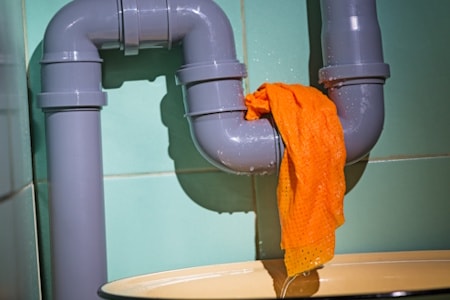
When water is where it should not be, the first 10 minutes count. Use this simple, safe checklist to protect people, limit damage, and get emergency plumbing help on the way. For immediate assistance, call Master's Plumbing and Sons at 843-450-7188. This guide keeps your actions focused while a pro handles the repair.
Why the First 10 Minutes Matter for Emergency Plumbing in Myrtle Beach, NC
Leaks move fast. Floors, drywall, and cabinets can soak up gallons in minutes, and that moisture invites mold. Coastal humidity around Myrtle Beach can make drying even slower, so quick, safe steps are essential. Your goal is to stop the flow, stay safe, and clearly report what you see to a licensed plumber.
Step 1: Stay Safe and Cut The Water
Safety first. If water is near outlets, appliances, or a breaker panel, keep everyone away and avoid standing water. If you can reach it safely, close the main water shut‑off to stop the flow. Most homes have a wheel handle that turns clockwise or a lever that turns a quarter turn until it is perpendicular to the pipe. If you are unsure or the valve will not move, step back and wait for a professional.
Step 2: Protect People, Pets, and Possessions
Move family members and pets to dry rooms. Slide small rugs or light furniture out of wet areas to keep them from wicking water. Place a trash bag under wet cushions or lamps set on the floor so moisture does not spread.
Step 3: Make The Right Call With Key Details Ready
Call Master's Plumbing and Sons at 843-450-7188 and share what you see. Mention where the water started, whether toilets or drains backed up, and if you turned off the main valve. If the leak involves hot water, say so, since that can point to the water heater line or tank. A clear description helps our emergency plumbing team arrive prepared.
- Describe the source: ceiling, wall, under a sink, near the water heater, or a specific fixture
- Note changes: sputtering faucets, gurgling drains, or sudden loss of pressure
- Share any smells: sewage odors suggest a wastewater issue
- Confirm shut‑off status: main valve closed or individual fixture valve closed
Step 4: Control The Damage You Can See, Then Leave The Rest
Do not attempt repairs. Focus on simple containment. Place towels to block doorways, move boxes off floors, and open a few interior doors to improve airflow. If you closed the main water, open a faucet at a lower level to relieve leftover pressure. Avoid removing trim, cutting drywall, or touching wet wiring.
Step 5: Document The Scene for Insurance and Faster Repairs
Take clear photos or short videos of wet areas, ceilings, baseboards, and under‑sink cabinets. Photograph the water meter or shut‑off if you turned it. Save these for your records. Documentation helps your adjuster understand timing and scope, and it helps your plumber plan the safest repair path.
What Not To Do During a Plumbing Emergency
- Do not run appliances or fans that sit in or near water
- Do not pour chemicals into drains to “clear” a backup
- Do not remove toilets, open pipe joints, or cut wet drywall
- Do not step into water if you suspect electrical contact
How Local Weather Can Influence Your Next Steps
In neighborhoods near the Intracoastal Waterway and low‑lying parts of Myrtle Beach, pooling can spread quickly across floors. Summer storms may push rainwater against entry points while humidity slows drying. In winter cold snaps, uninsulated hose bibs, attic lines, and garage piping are common trouble spots. Share these details when you call so your plumber knows where to look first.
Spotting Common Emergency Triggers
Different problems create different signs. An overflowing toilet with sewage odor points to a wastewater blockage. Hissing behind a wall with warm water underfoot can signal a hot‑line leak or water heater issue. If you notice slow drains before a backup, this article on routine care can help you understand the warning signs: see our drain cleaning maintenance article for more context. For sudden no‑hot‑water emergencies tied to failing equipment, it may be time to review your options with water heater repair after the immediate emergency is under control.
Build Your 60‑Second Action Plan
Write the location of your main shut‑off on a sticky note inside a kitchen cabinet. Save Master's Plumbing and Sons in your phone under “Plumber” with the number 843-450-7188. Keep two bundles of clean towels in an easy‑to‑reach closet. Share this plan with your household so anyone at home can take the first safe steps while help is on the way.
Stay Ready With Local Help You Can Trust
If you are reading this during an emergency, you are not alone. Our licensed team responds fast, communicates clearly, and follows proven safety steps to protect your home. To understand our approach and the urgent issues we handle day and night, review our page on 24/7 emergency plumbing. For more background on our services and expertise in the Grand Strand, you can also explore emergency plumbing in Myrtle Beach, NC on our home base.
Call Now for Fast, Professional Support
Minutes matter. If you have a burst pipe, sewage backup, or active leak, call Master's Plumbing and Sons at 843-450-7188 and tell us where the water is coming from and whether the main is off. Our crew will guide you through the next safe steps on the phone and head your way. When every moment counts, trust the team that treats your home like their own. Learn more about how we respond on our emergency plumbing services page.